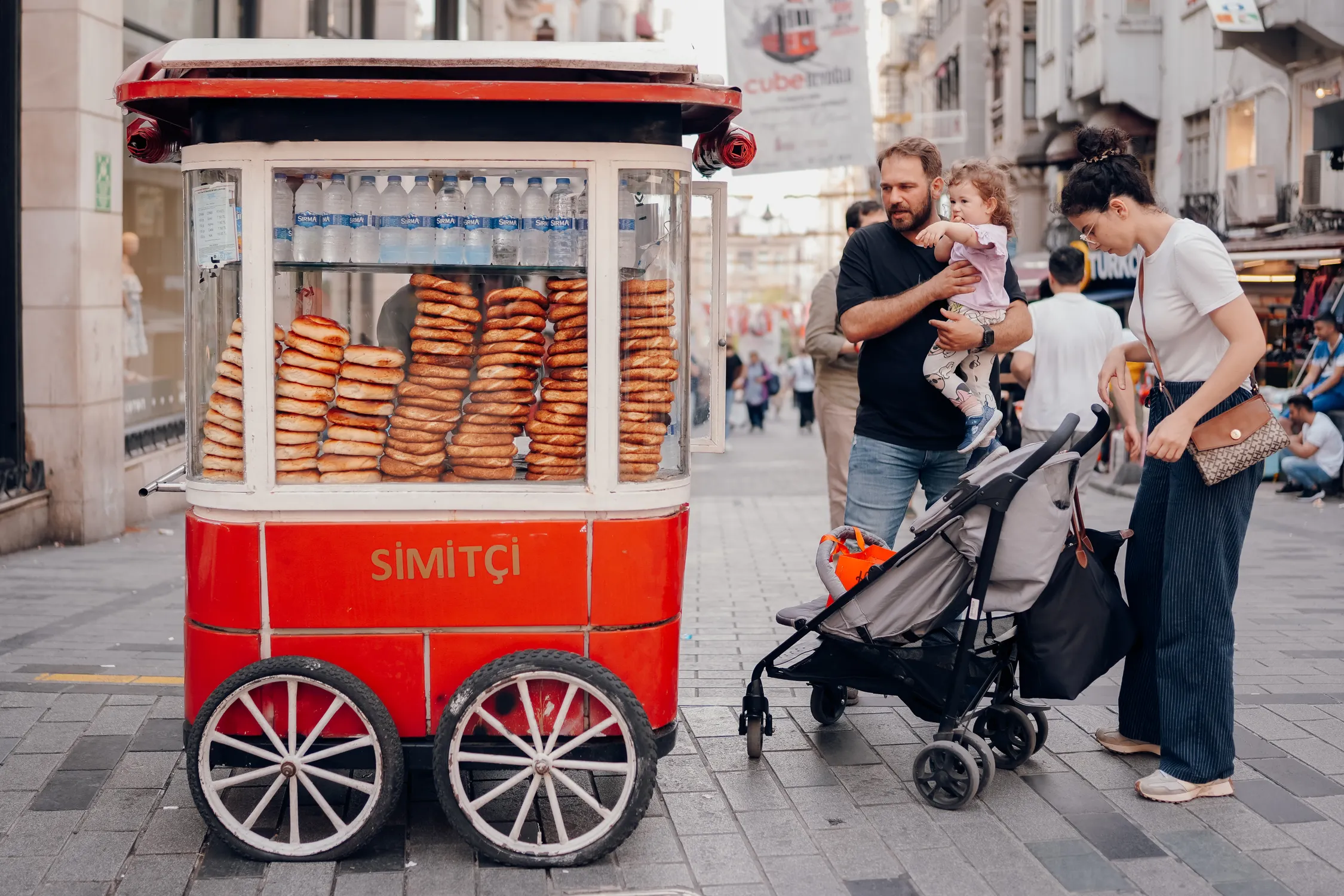
Simit
A circular bread encrusted with sesame seeds, often sold from red carts throughout the city. It serves as a primary breakfast staple for locals on the move.
Look for vendors with the crispest, darkest toasted sesame crusts.

Istanbul's reputation rests on a handful of dishes that arrived by boat, caravan and empire, then stayed. This what food is istanbul known for guide separates the genuinely local from the tourist-menu approximation. It also covers what access costs, when the city's kitchens are at their best, and the caveat most first-time visitors miss.
Quick answer
Istanbul is known for kebap, balık ekmek (grilled fish sandwiches), simit, döner, mezes, lahmacun, midye dolma and Turkish breakfast, alongside baklava and Turkish delight. Streets and markets carry no entrance fee — 0 TRY — with food sold by independent traders. Vendors operate across the day, but 09:00–20:00 is the window when produce is freshest and stalls are fully staffed.
Istanbul straddles two continents, and its plate does the same. The city's cuisine is not one tradition but a sediment of many: Ottoman palace kitchens that codified stuffed vegetables and slow-braised lamb, Greek and Armenian bakers who shaped its pastry, Black Sea fishermen who made anchovy a seasonal event, and southeastern migrants who brought Gaziantep's pistachio baklava north. Asking what food is istanbul known for is really asking which of those layers reached the street first. The answer sits in geography. The Bosphorus supplies the fish that fills the sandwich carts at Eminönü, where hamsi arrives in cold months and lüfer in autumn. The Golden Horn's warehouses once landed the spices still sold in the Mısır Çarşısı, the seventeenth-century Spice Bazaar beside the Yeni Camii. Beyoğlu and Karaköy carry the meyhane tradition — long tables of cold mezes eaten slowly with rakı. Kadıköy, across the water on the Asian side, keeps the produce markets that supply much of the city. Fatih and Balat lean older and more conservative in their cooking. A visitor tracing Istanbul food culture across these districts will find the same dish rendered four different ways within a single afternoon. That regional spread matters practically. Türk mutfağı is not centralised in one quarter, and no single street answers the question fully. The Grand Bazaar and Sultanahmet concentrate visitors, which raises prices and lowers the odds of an authentic plate; the neighbourhoods a tram stop or ferry ride away generally do better. Seasonality is the other variable — artichokes in spring, aubergine through summer, quince and chestnut from October, oily fish in the cold months. In August, expect vine leaves, stone fruit, and mackerel rather than the anchovy the postcards promise. Access itself is unrestricted. There is no ticketed threshold to Istanbul's food; markets and street stalls sit on public ground, and the entrance fee is 0 TRY, with food purchased directly from independent markets and restaurants. What a visitor is really budgeting is time and stomach capacity, not admission. Use this what food is istanbul known for guide as a shortlist rather than an itinerary. Pick three or four dishes tied to specific districts, walk between them, and let the ferry crossings space out the meals. The city rewards a narrow, well-sequenced route far more than an exhaustive one.
“Istanbul's cuisine is not one tradition but a sediment of many.”
Istanbul offers a diverse culinary landscape defined by a blend of Central Asian, Middle Eastern, and Balkan influences. This selection highlights the foundational street foods, traditional meze, and iconic sweets that define the city's gastronomic identity.
A circular bread encrusted with sesame seeds, often sold from red carts throughout the city. It serves as a primary breakfast staple for locals on the move.
Look for vendors with the crispest, darkest toasted sesame crusts.
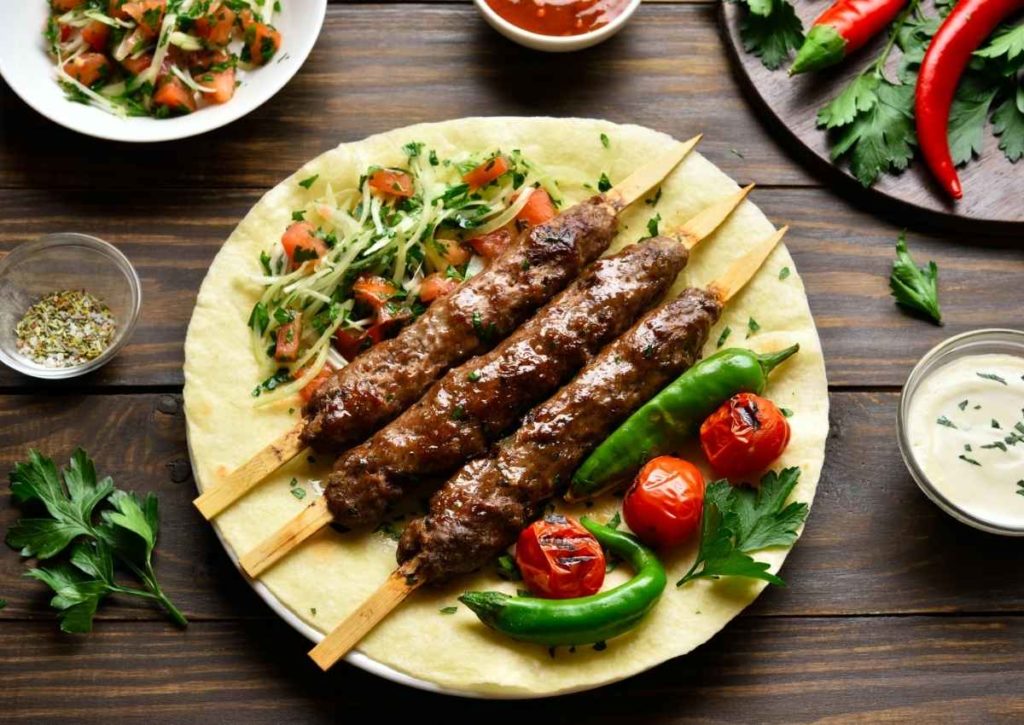
Varieties include Döner, where meat is roasted on a vertical spit, and Adana, featuring spicy minced lamb grilled on skewers. These dishes reflect the deep history of Anatolian meat preparation.
Enjoy with a side of charred peppers and fresh onion salad.
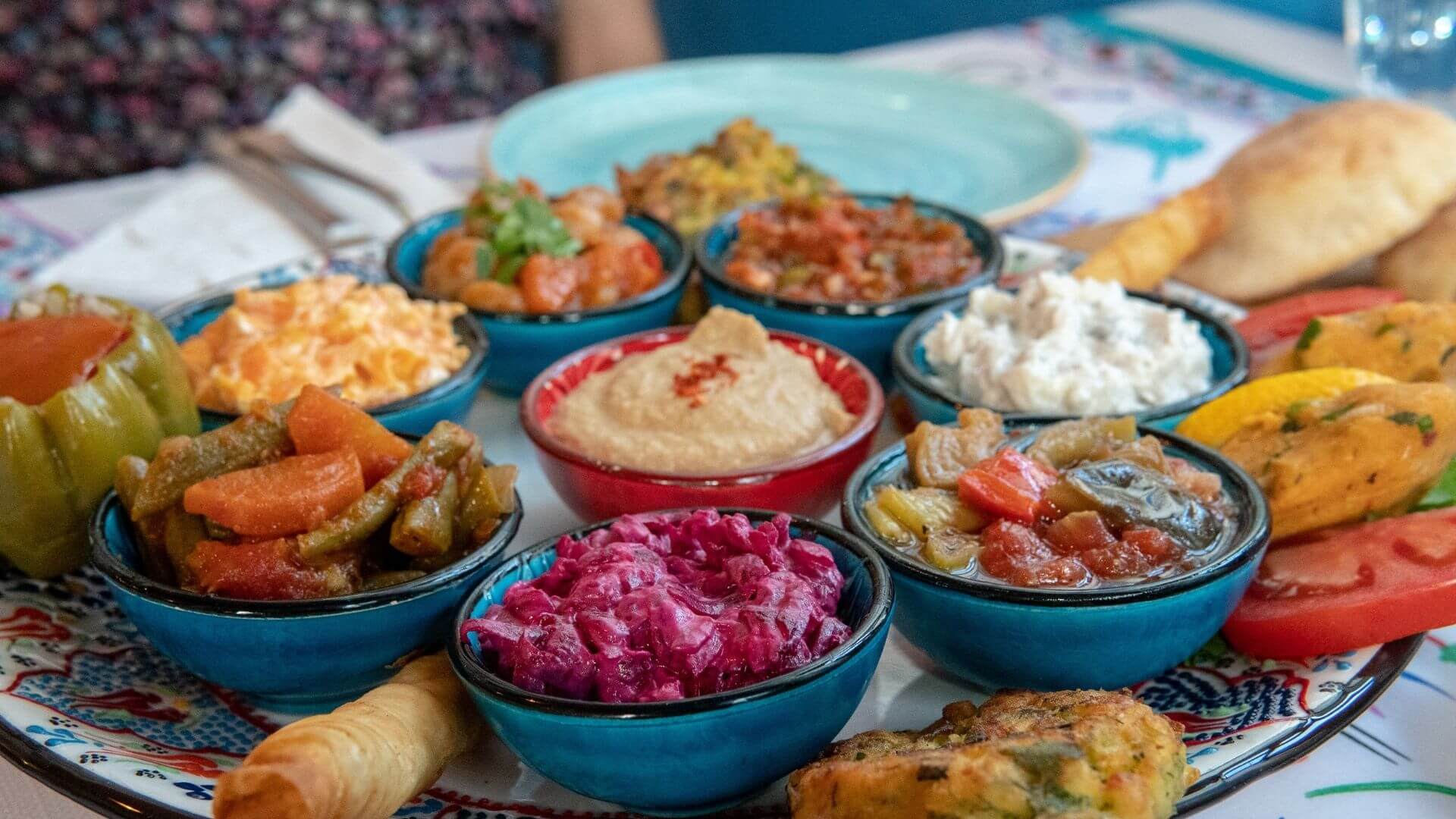
Small, shared plates that often include eggplant puree, stuffed vine leaves, and spicy vegetable dips. These dishes are designed to be enjoyed slowly, usually accompanied by tea or other beverages.
Order a variety to sample different textures and flavor profiles.
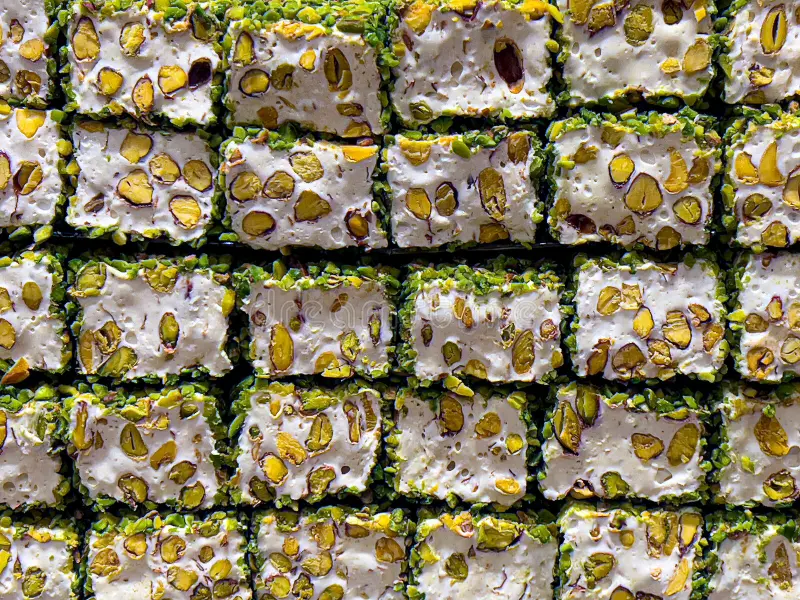
Also known as Lokum, this starch and sugar-based confection comes in flavors like rosewater, mastic, and pistachio. It is a traditional accompaniment to Turkish coffee.
Find shops offering fresh varieties rather than pre-packaged boxes.
The best arrival window is 09:00–20:00, which serves as the optimal time to experience fresh market produce and active street food vendors. Visiting within this daily timeframe ensures access to the full variety of goods available throughout Istanbul.
Mild temperatures (15°C–22°C)
Pleasant weather for walking between markets and food stalls.
Cooler temperatures (16°C–23°C)
Ideal conditions for exploring street food without summer heat.
—
Quiet periods allow for direct interaction with vendors and local market staff.
Warm and humid (22°C–29°C)
Expect heavy foot traffic near popular markets and food districts.
Verdict: For the most consistent access to markets and vendors, visit from Tuesday to Thursday between 09:00 and 20:00 during the months of April or October.
Istanbul does not charge a centralized entrance fee for its culinary scene. Costs are determined entirely by the individual food items and meals purchased at markets and restaurants throughout the city.
Verdict: A visitor pays 0 TRY for city entry, with total costs depending solely on personal consumption choices at various food venues.
Eating in Istanbul carries social expectations that go beyond the food itself, and small gestures at the table signal respect. Knowing how locals tip, share and handle religious observance keeps exchanges warm rather than awkward.
Everything you need to know about what food is istanbul known for
Istanbul is world-renowned for its diverse culinary landscape, including iconic dishes like simit, kebabs, and authentic baklava. Understanding what food is Istanbul known for helps travelers prioritize local markets and traditional eateries. Many visitors also seek out classic Turkish tea and coffee experiences as part of their exploration. You do not pay an entrance fee of 0 TRY to access public food markets, though food is available for purchase at various independent markets and restaurants. Planning your visit around what food is Istanbul known for is easier when you consider that these areas remain open daily. The best arrival window is 09:00–20:00, which serves as the optimal time to experience fresh market produce and street food vendors. Exploring the city during these hours ensures you see vendors at their most active. Street food is a fundamental pillar of the local gastronomic experience, reflecting centuries of history and cultural exchange. Identifying what food is Istanbul known for involves tasting the influence of Ottoman, Mediterranean, and Middle Eastern culinary traditions. Visitors find that the density of vendors in central districts makes it convenient to sample numerous specialties in one outing. Istanbul offers a vast array of dining options ranging from historical spice markets to modern gourmet restaurants. When researching what food is Istanbul known for, you will find that the city accommodates diverse tastes and budgets through its extensive network of independent shops and cafes. Be prepared to wander through bustling neighborhoods to find the most authentic flavors. When planning a trip, keep in mind that the address is Istanbul, Turkey. It is helpful to research what food is Istanbul known for beforehand to navigate the sprawling culinary landscape efficiently. Taking a guided Istanbul food tour can provide deeper insights into the regional ingredients and traditional cooking techniques.
Best Istanbul Food Tours
Read more Tickets & toursPrivate Istanbul Food Tours
Read more Tickets & toursVegetarian Food Tours in Istanbul
Read more Tickets & toursAsian Side Food Tours
Read more Tickets & toursKadikoy Food Tours
Read more Tickets & toursIstanbul Night Food Tours
Read more Tickets & toursGrand Bazaar Food Tours
Read more